
David Senra
HostHost of David Senra.
18 episodes
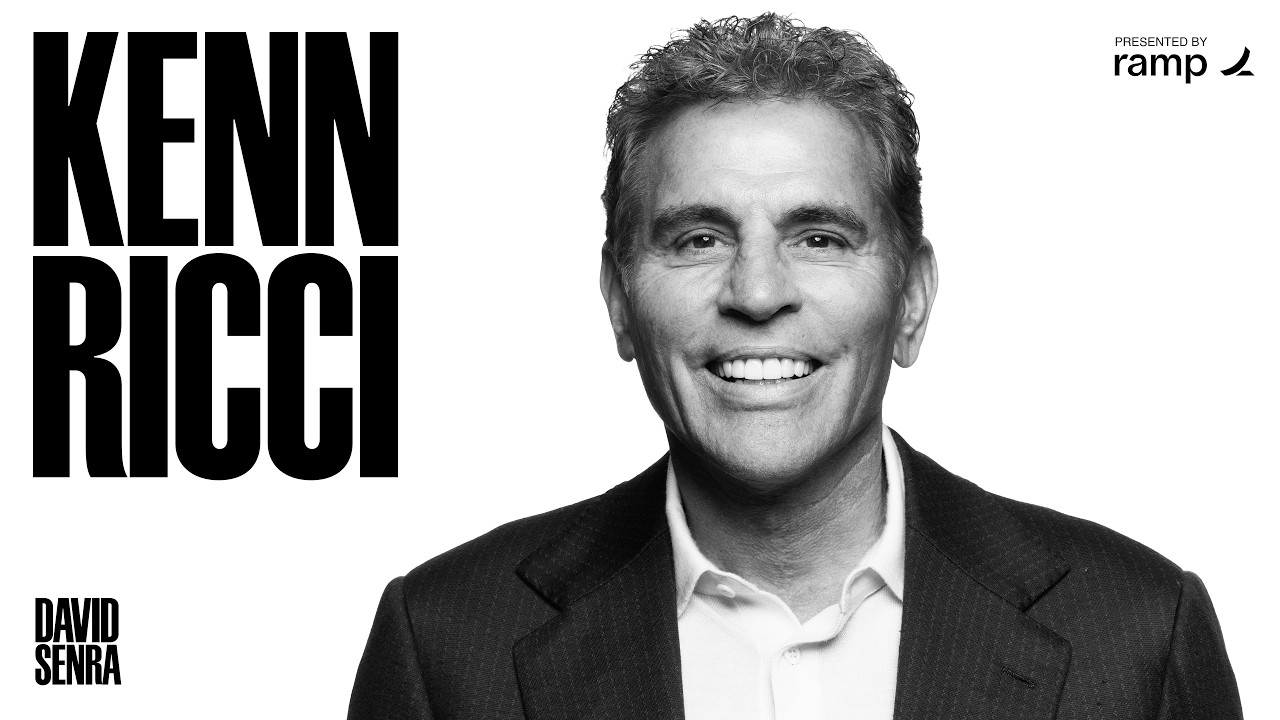
From a $27,500 Charter Company to a $4 Billion Private Jet Giant | Kenn Ricci, Flexjet
Oct 28, 2026 · 1:11:09
Kenn Ricci, chairman of Flexjet, tells David Senra how he built a $4 billion private jet operator from a $27,500 charter company and argues parents should give children their wealth while alive. He explains the family limited partnership started in 1990 to gift shares at each child's birth, echoing Charlie Munger's 'You give them the money.' He recounts Flight Options' 1998 launch—$100 million in sales in three months after Buffett's NetJets purchase unlocked $300 million in debt—his 2002 Raytheon ouster, and $135 million buyback in the 2008 crisis. He also explains buying Flexjet from Bombardier for $180 million in 2014, why he hates mergers and kept the firm private, Father Ted Hesburgh's rules for significance, and the policy letting any employee fix a customer problem without approval.

Competition, Intensity & Building a $115 Billion Global Bank | Nik Storonsky, Revolut
Oct 25, 2026 · 1:07:02
Revolut co-founder and CEO Nik Storonsky tells David Senra he is building the number one bank in 100 countries, arguing founder-led firms beat professional CEOs who protect their jobs. He calls delaying the banking license his worst mistake—UK approval took five years—and says Chime-style fintechs without licenses can never win prime customers. He runs the company as a machine, funding product bets algorithmically: sunsetting the bottom 25% and doubling down on top bets growing 10-20% monthly. AI is rethinking teams from 10 to 2-3 people, automated 90% of customer support, and powers Pragma, an LLM trained on 30 million daily transactions. He explains hiring self-guided people, keeping VCs off his board, his 56% IRR Quantum Light fund, and buying 50% of Europe's airport ads.

Managing $525B & Building the World’s Largest Multifamily Office | Kurt MacAlpine, Corient
Oct 18, 2026 · 1:19:35
Corient CEO Kurt MacAlpine argues that wealth management's incentives are broken — advisors run as silos — so his roughly $525 billion firm operates as a professional services partnership with one compensation plan, one P&L, no chargebacks, and a fee-only fiduciary standard. Becoming CEO at 39, he deployed CI Financial's cash flow plus 3 to 3.5 turns of fixed-rate debt, weathering a 2021-to-2022 stock swing and buying back shares deemed criminally undervalued at $12-$13 a share. He took CI Financial private with Mubadala Capital with no new debt; Corient fully integrates about 50 acquisitions on day one, passing scale benefits like cheaper lending to clients. He recounts recruiting young partners rather than retiring sellers and picking Miami as headquarters to build for generations.
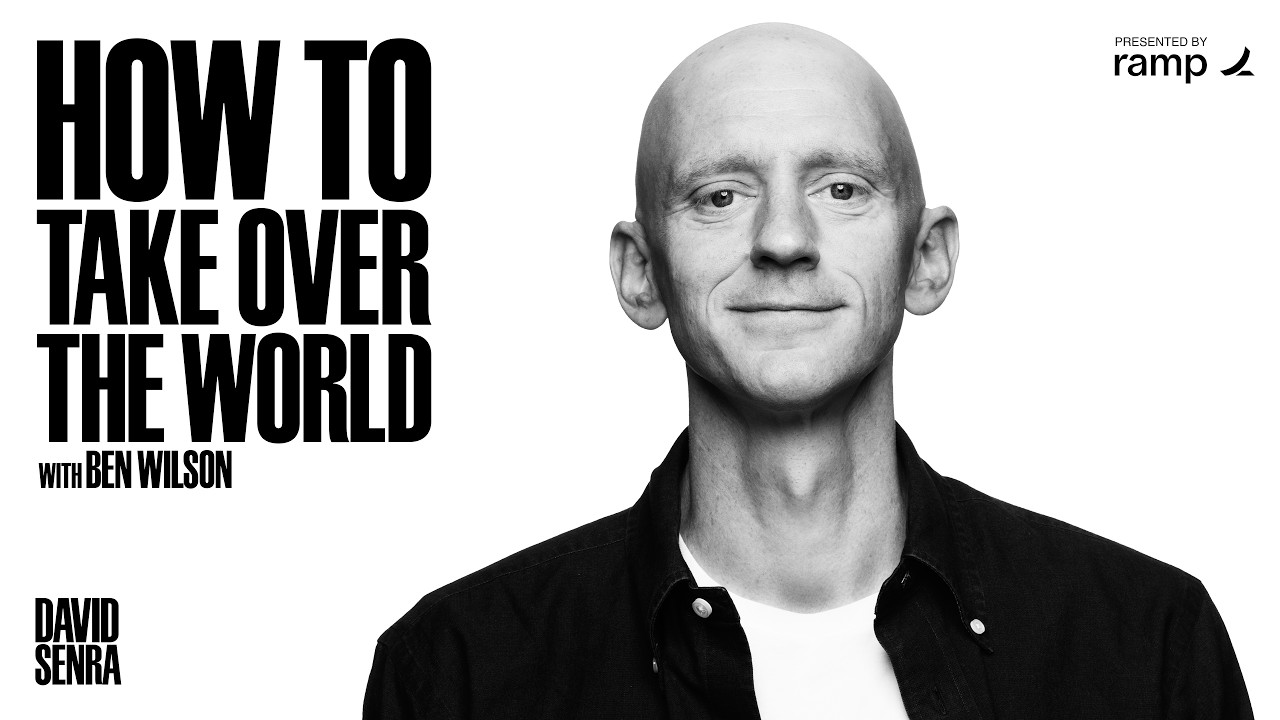
Lessons from History’s Greatest Leaders & Conquerors | Ben Wilson
Oct 14, 2026 · 1:11:18
Ben Wilson, creator of the How To Take Over The World podcast, joins David Senra to argue that history's greatest leaders — Napoleon, Thomas Edison, Steve Jobs, Joan of Arc, Walt Disney, Arnold Schwarzenegger, John D. Rockefeller and Brigham Young — share the same traits: vision, communication, focus, obsession and sincere belief. He traces Edison's 'hustle' obsession at 21, explains how breaking trade-offs drive breakthroughs — the Wright brothers abandoning lift for control, Jobs cutting the iPod's features — and how Arnold applied one playbook across four domains. Wilson also details his stage-4 neuroendocrine cancer: chemo finished, tarlatamab next, a possible custom mRNA vaccine, and living for one year or twenty at once. Senra closes with a plea for help via Ben's GoFundMe.
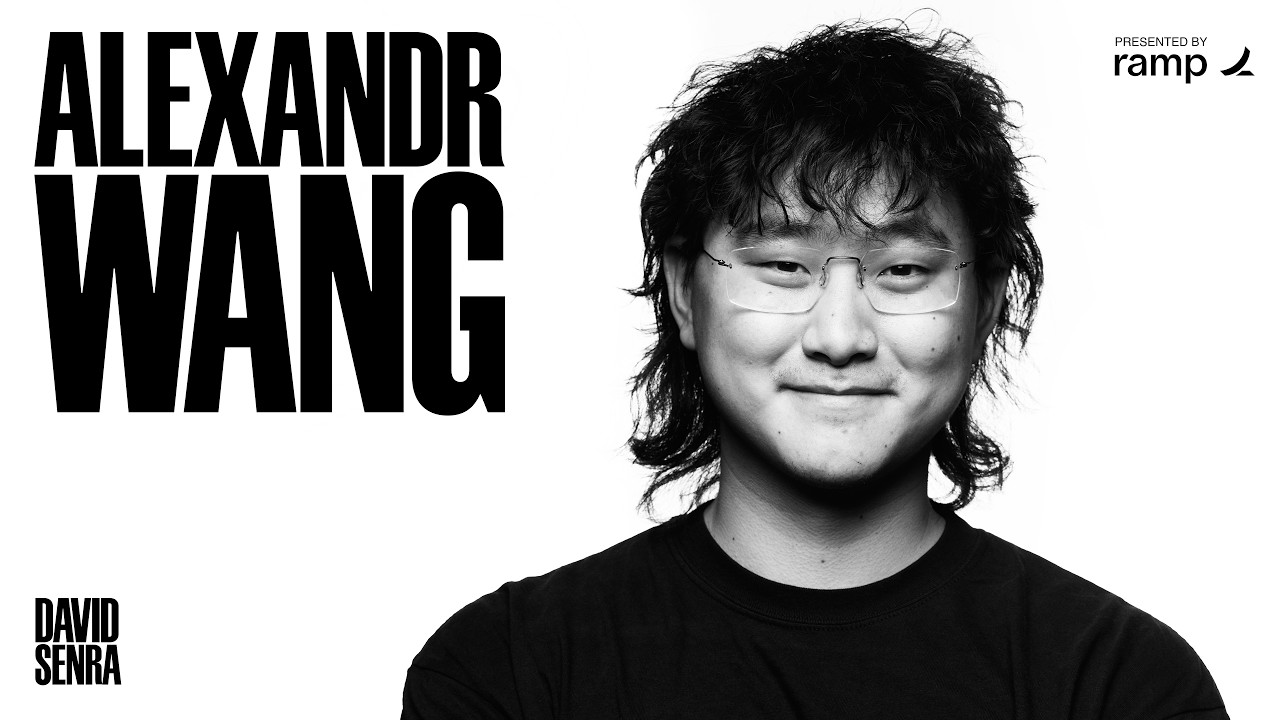
Building Muse, Working with Mark Zuckerberg & The Future of AI | Alexandr Wang, Meta
Oct 11, 2026 · 1:12:17
David Senra interviews Alexandr Wang, Meta's chief AI officer and co-founder of Scale AI, about building Muse, which Wang calls the fastest-growing consumer AI app of all time with 'millions' of users. Muse grew from Nat Friedman's OpenClaw experiments into a one-week prototype demoed to Meta's board in February, then a seven-month build by a team of under 200 to make a reliable personal agent. Wang argues Meta bet on personal AI over coding agents because its heritage and 3.5 billion daily users make consumer AI its edge, and he describes marketing Muse with memes to make Meta cool again. He recounts Zuckerberg's call after the Llama 4 setback, leaving Scale after nine years as Meta took 49%, and rebuilding Meta's AI lab as a flat, anti-bureaucratic team with over 200 direct reports.
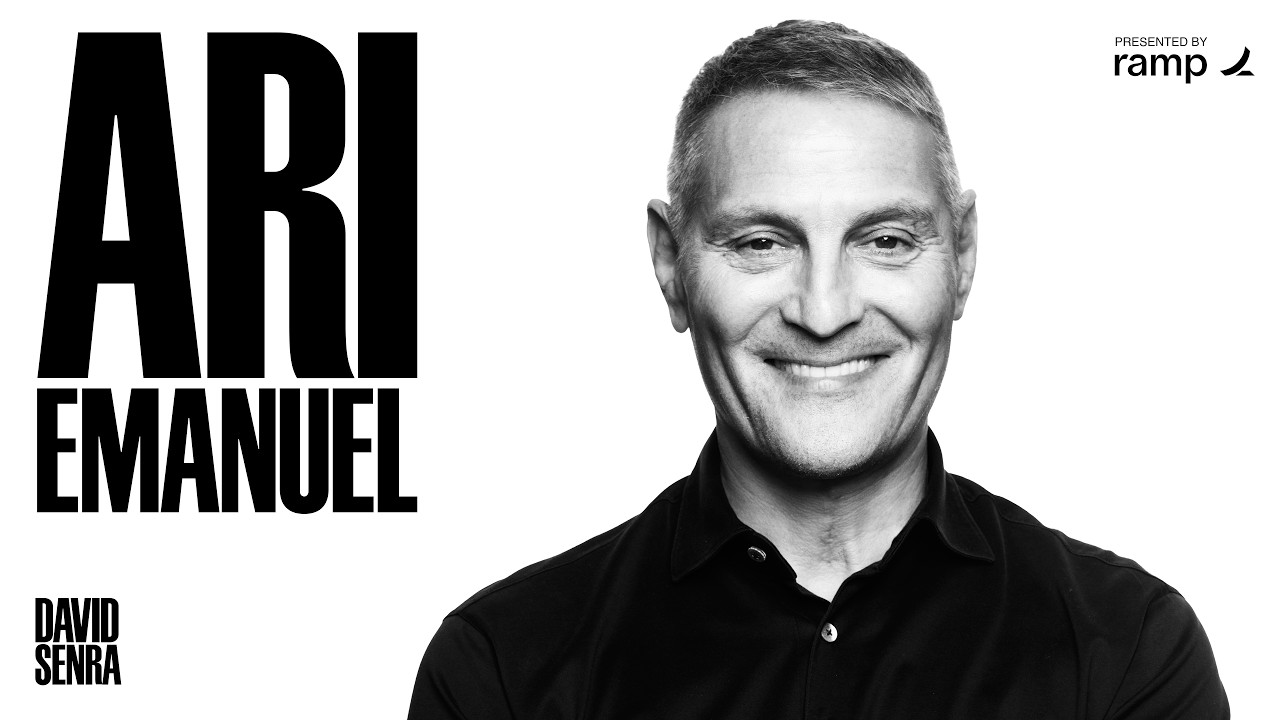
Building an Empire with Risk, Rage & 200 Phone Calls A Day | Ari Emanuel, WME & TKO
Oct 7, 2026 · 1:24:15
Ari Emanuel, CEO of TKO and executive chairman of WME Group, tells David Senra how he and Egon Durban bought the UFC for $4.2 billion and then landed an ESPN deal worth nearly the purchase price — validating their bet on direct-to-consumer sports streaming. He recounts being rejected when Spike TV's Phil Dumont claimed "we made you," securing a Fox deal, and fighting back when Amazon's committee slashed their $260 million offer to $140 million. Emanuel explains how buying IMG for $2.4 billion, outmaneuvering Peter Turner by bidding $400 million over, and the William Morris merger — which cost $44 million in buyouts to remove Jim Wyatt and Erv Weintraub — built Endeavor from a table and a phone. He credits David Geffen's advice to "get in traffic and get hit," his habit of rolling calls to create serendipity, and lessons from Mike Ovitz and Michael Dell. He also opens up about dyslexia-fueled insecurity, decades of rage, and how 5-MEO psychedelics helped him let go of legacy while keeping his work ethic.
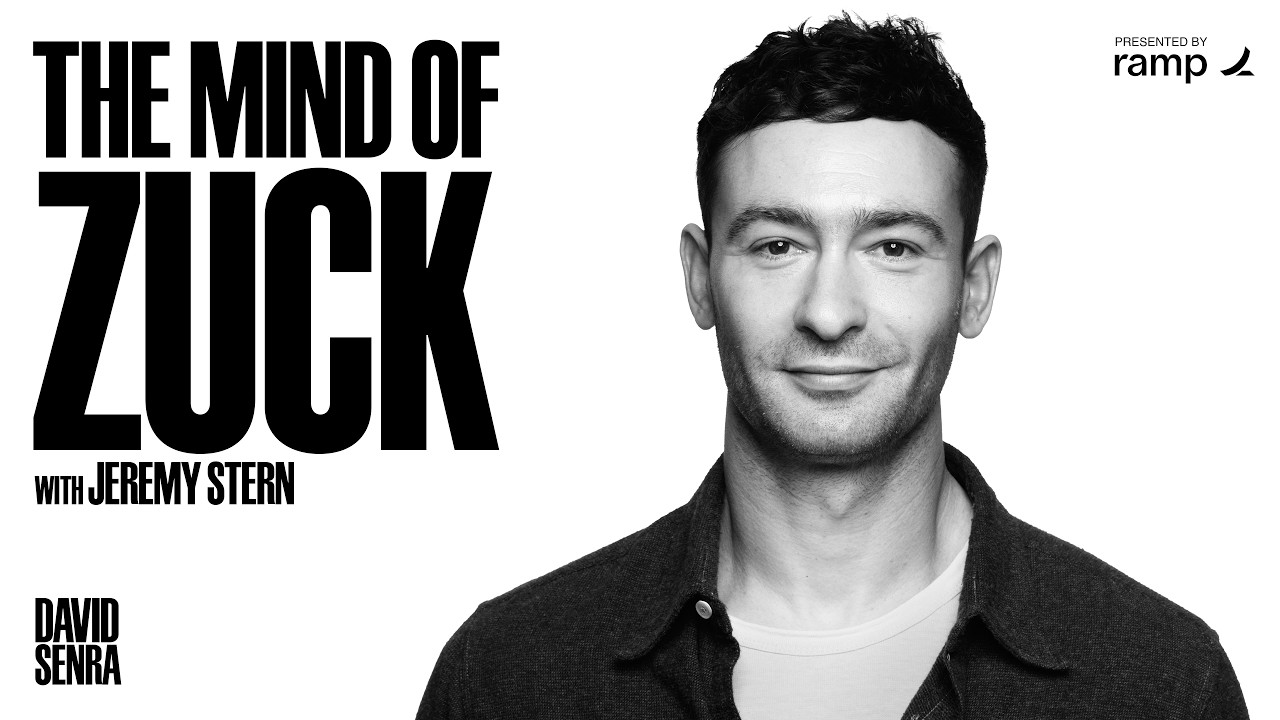
How Mark Zuckerberg, Palmer Luckey, Josh Kushner & Scott Wu Think | Jeremy Stern
Oct 4, 2026 · 1:08:11
Colossus editor-in-chief Jeremy Stern joins David Senra to unpack his profiles of Mark Zuckerberg (Meta), Palmer Luckey (Anduril), Scott Wu (Cognition) and Josh Kushner (Thrive Capital), arguing Zuckerberg is more competitive than anyone imagines and will never walk away. An Augustus devotee since 15 who refused Yahoo's $1 billion at 21, Zuckerberg has, Stern argues, the distribution and owned infrastructure to win the AI race. The Luckey profile began with a question — was defense tech real or bullshit after October 7th? — and became 15,000 words on a man who backed Trump when it cost him Facebook. Wu stands out as an authentic math genius who won't sell. Kushner's piece grew from his family's Holocaust story and ends with Stern's Russian professor, who taught him people owe their gifts.

From HOA Management to $4B in Revenue & $6.3B Deal for Amex GBT | Alexander Taubman, Long Lake
Sep 30, 2026 · 1:02:10
Long Lake co-founder and CEO Alexander Taubman tells David Senra how his company bought American Express Global Business Travel for $6.3 billion, expecting over $4 billion of combined revenue the next year after close to 40 acquisitions. He argues AI models are proven but diffusion into the real economy is the hard problem, so Long Lake buys profitable businesses and deploys its Nexus platform, with engineers sitting in the field, rejecting software sales because only owners can change how industries work. He contends productivity gains create jobs rather than cut them, cites his grandfather's 'threshold resistance' plus Danaher, Henry Singleton and John Malone, says Long Lake never sells companies, and argues decades of compounding could build a trillion-dollar company.
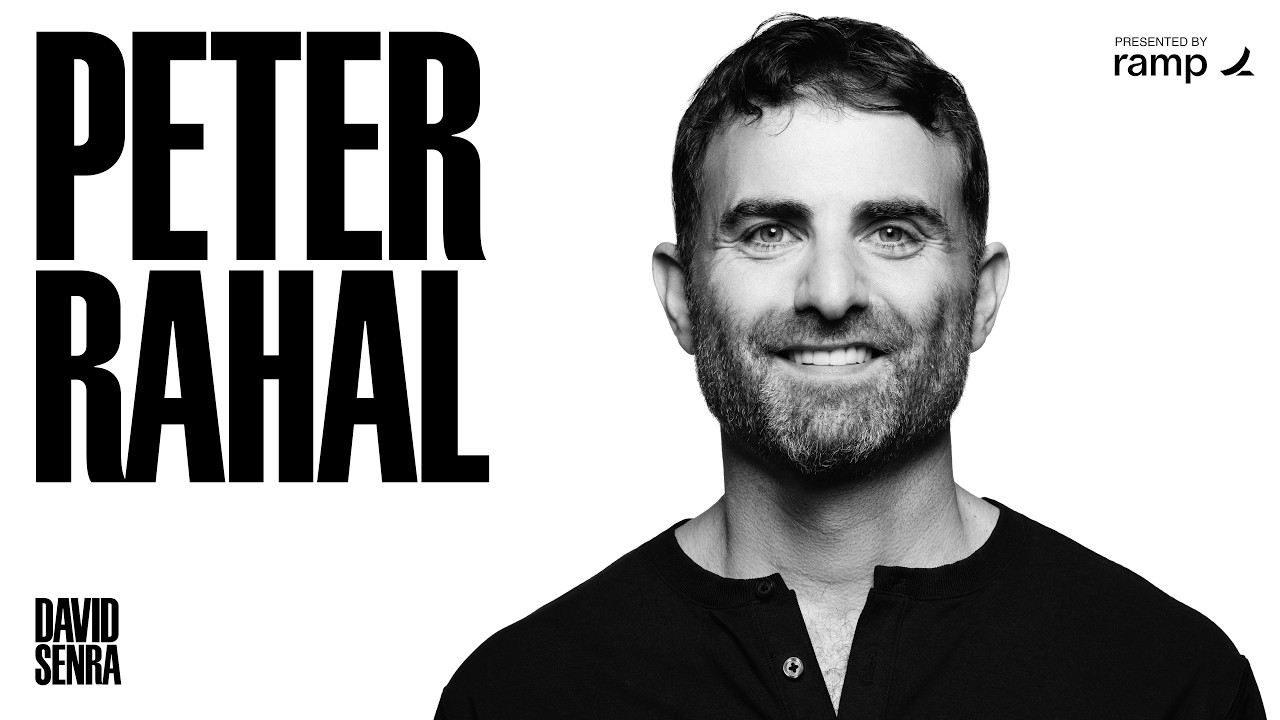
Product Mastery, Pain Tolerance & Relentless Ambition | Peter Rahal of David Protein, Medici & RXBAR
Sep 20, 2026 · 1:20:42
Peter Rahal, who sold RXBAR for $600 million, argues founders must deeply understand their products as he explains why he abandoned investing to build David Protein and Medici Brands. He says the protein bar is the wedge toward the most important food company of the 21st century, competing with Nestlé. He details David's brand values of intelligence, beauty, and discipline, and his strategy of hiring former founders and treating the organization itself as a product. He explains buying Epogee, the single-source supplier of his key fat substitute (David was 150% of its supply), cutting off three rivals, and the antitrust suit dismissed three times. He also covers choosing Greenoaks without an auction, channeled dyslexia-fueled anger, and a decentralized org where performance earns freedom.

Inside Bending Spoons: Finding Talent, Leveraging AI & Driving Operational Excellence | Luca Ferrari
Sep 13, 2026 · 2:01:29
Luca Ferrari, co-founder of Bending Spoons, argues the company aspires to build "the best company there ever was" by favoring raw talent over experience. He explains how a centralized talent team screens candidates using over 100 signals, why hiring managers get trust instead of bonuses, and why the company abolished job titles. He describes extreme ownership and saturating capacity—giving people more work than they can complete—and a 50-plus tool operating system that lets him run Evernote, bought for about $200 million, with 20 people. The group reaches roughly $3 billion in run rate revenue; Ferrari says it buys to hold and transform, never to sell, and bids high and firm, trusting logic over blindly following data. He also explains why Bending Spoons is going public.

Building One of AI’s Fastest-Growing Companies | Mati Staniszewski, ElevenLabs
Sep 9, 2026 · 1:11:08
ElevenLabs co-founder Mati Staniszewski tells David Senra that voice will become one of the primary ways people interact with AI, and that the company wins by combining frontier audio research with product deployment. He traces the origin to Poland's one-voice movie dubbing he re-experienced in 2021, and to creator feedback that pivoted the dubbing idea into speech generation. He details a Palantir-inspired model: sub-10-person teams, no titles, a five-layer cap, and forward deployed engineers who bring customer learnings back into the product. He cites Deutsche Telekom, Revolut and Klarna, the 20,000-voice marketplace, and voice restoration for over 10,000 people. After three or four acquisition offers, the last in June last year, he and co-founder Piotr Dąbkowski are going all in.

Building a Power Company for the Next 50 Years | Zach Dell, Base Power
Sep 6, 2026 · 1:16:20
David Senra interviews Base Power co-founder Zach Dell about building an energy company to make electricity affordable and reliable. Dell says the grid is too small, as AI drives demand growth from 2% to 10% a year, and Base's fix is owning home batteries as a fleet—charging when power is cheap, discharging when expensive, providing backup—so customers pay 1/20th to 1/40th of owning one outright. He explains the counterposition—selling electricity, not batteries; 10-year megawatts-as-a-service deals for utilities like CoServe; and a compounding cost advantage via vertical integration and Base's custom battery, the Base Core. He covers the 'Dad Terminal' with Michael Dell, ex-SpaceX lessons, and Base's habits: monthly updates, North Stars, dashboards, a turtle marking the critical path.

How to Dominate for Decades | Doug Leone, Sequoia Capital
Aug 30, 2026 · 1:22:18
Doug Leone, who led Sequoia Capital for 26 years, tells David Senra he dominates through fear of irrelevance, and at 69 he is again a 'low-level analyst' racing to understand an AI revolution he calls more radical than anything he has seen. His investment tests are whether he would put his kids' money in, whether it is one of 20 lifetime investments, and whether it can return the whole fund — he wants only 100x outliers and says the biggest venture mistake is selling winners early, citing Sequoia's 20% of NVIDIA and 10% of Google. He recounts backing David Vélez before Nubank existed, Fred Luddy's ServiceNow pitch, and seeking founders who are hypercompetitive with a heart of gold. He advises founders to architect boards like products and to avoid 'completely fucking clueless' investors.

Building Defense Technologies to Protect Democracies | Torsten Reil, Helsing
Aug 26, 2026 · 1:23:55
Torsten Reil, co-founder of European defense-tech company Helsing, argues that AI-controlled drones and autonomous fighter jets are making tanks, artillery, and crewed aircraft obsolete, and that future conflicts will be battles of materiel won by whoever can mass-produce weapons. Citing Ukraine, he says drones have cut frontline survival times to minutes, and explains how Helsing's HX-2 strike drone scaled from dozens to a baseline of 1,000 units per month, surging to 3,000. He also reveals that Helsing's Centaur AI flew a Saab Gripen in air combat, leading the company to build the autonomous jet CA1 Europa. Reil discusses founding Helsing in 2021 to protect democracies, Daniel Ek's early 100-million-euro investment, and the talent-density philosophy that shapes his leadership.
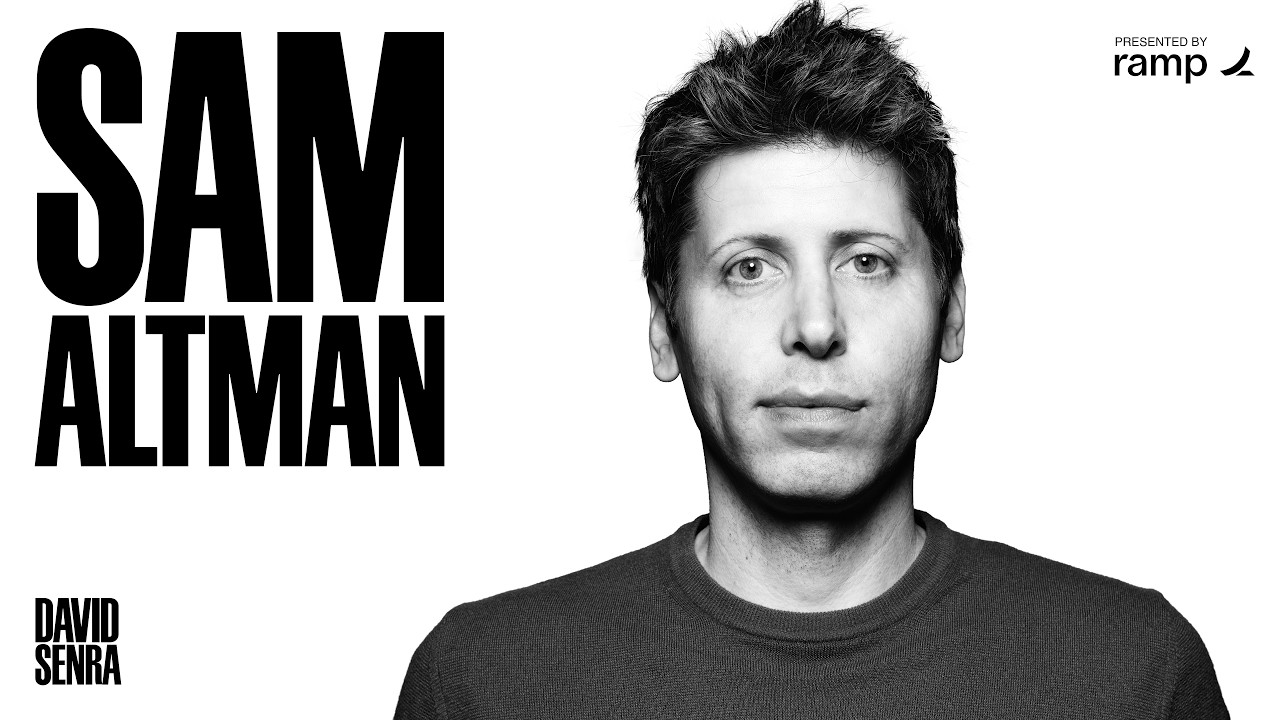
Sam Altman on Building OpenAI & Betting on the Impossible
Aug 23, 2026 · 1:18:17
Sam Altman, CEO of OpenAI, tells David Senra that AI capabilities will outpace society's ability to adapt, and that human connection becomes more valuable as AI improves. Altman cites Shopify CEO Tobi Lütke as the most forward-leaning CEO because he builds with AI himself. He explains OpenAI's platform strategy—one interface, one API—which meant killing Sora and Atlas to focus on general intelligence. He credits Y Combinator's iterative philosophy for making OpenAI possible, even though OpenAI broke the playbook by going four and a half years without shipping a product. He also recalls the first day at Greg Brockman's apartment and says he learns more from successes than failures.

Excellence Is the Capacity To Take Pain | Travis Kalanick, Founder of Uber
Aug 16, 2026 · 1:48:55
Travis Kalanick, founder of Uber and now Atoms, tells David Senra why he is drawn to impossibly hard problems. He recounts Uber's China war against Didi, saying he convinced regulators that progress must be in harmony with stability, and explains his fundraising auction process—starting low, running multiple rooms, building demand curves—versus Benchmark's 'war room' against him. Kalanick also describes running Uber with a 'starve next week' intensity after years of no salary at Red Swoosh, and his management philosophy: fewest possible rules, like mandatory pricing calls before launching cities. His current company, Atoms, applies that to specialized robotics for food, mining, and transport, aiming to digitize the physical world one industry at a time.

DHH: How to Build a Profitable Company Without Losing Control
Jul 26, 2026 · 1:41:40
David Heinemeier Hansson (DHH) argues that constraints, not resources, are the key to building great software, and that independence from investors and customers is the ultimate freedom. He built the first version of Basecamp in just 380 hours working 10 hours a week, and credits that shortage of time for the product's quality. His marketing strategy, borrowed from Kathy Sierra, is to out-teach competitors rather than out-spend them, a principle he has applied for two decades. DHH explains why he distrusts unlimited resources—they lead to bloat—and how he applies a ruthless edit to both writing and product features. He recounts giving Jeff Bezos an absurdly high term sheet in 2005, which Bezos accepted, giving him and Jason Fried the confidence to reject all other venture capital. Most recently, he created Omachi, a Linux distribution built for himself with no customers, calling it a retirement from capitalism. He also describes how Tobi Lütke nudged him into embracing AI, and how Mark Andreessen provided crucial support during 37signals' 2021 internal crisis over workplace politics.
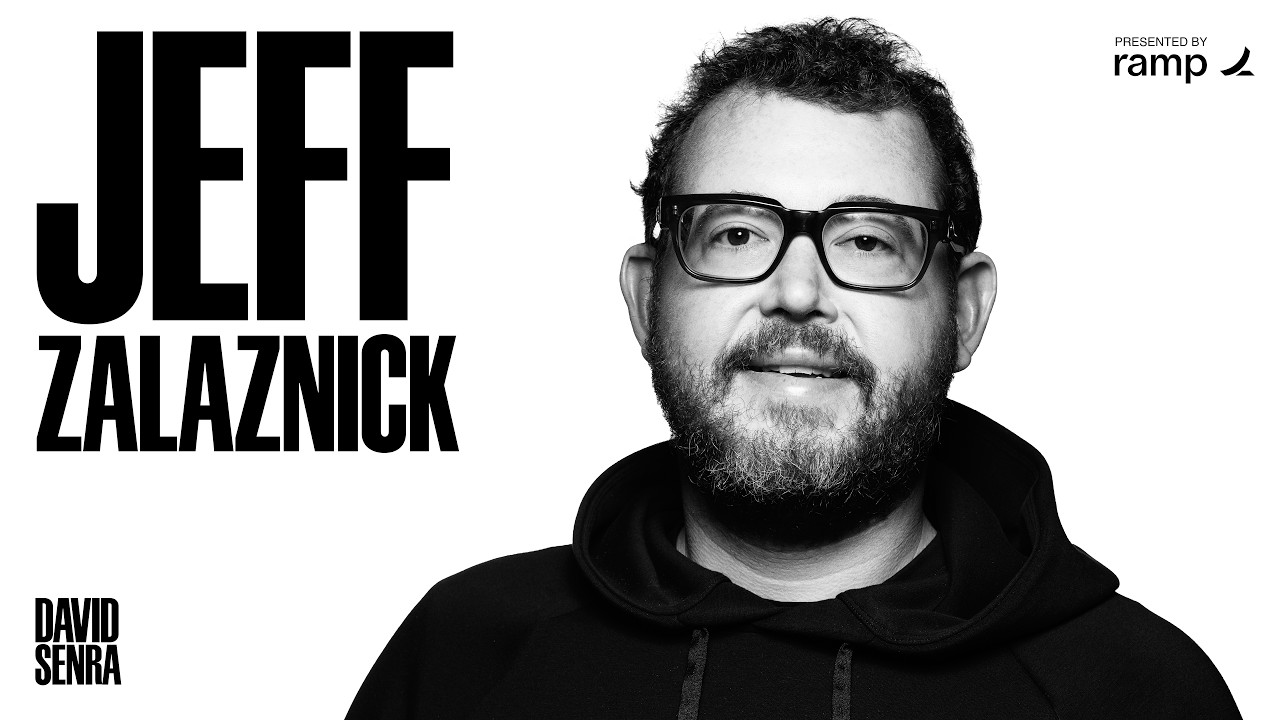
The Restaurant Genius Behind Carbone, ZZ’s, Torrisi & More | Jeff Zalaznick
Jul 19, 2026 · 1:47:56
Jeff Zalaznick, co-founder of Major Food Group behind Carbone, ZZ's, and The Pool, explains how his lifelong obsession with food led him from a J.P. Morgan analyst job to building 77 restaurants (76 still profitable). He details the $40 million restoration of The Pool—the only interior landmark restaurant in America—and the counterintuitive decision to close lunch to make The Grill a dinner destination. Zalaznick articulates the company's thesis: take something everyone loves and make the best version ever done, exemplified by Carbone's 70-item menu and spicy rigatoni vodka. He describes finding partners Mario Carbone and Rich Torrisi after being blown away by their food at Torrisi, and the story of Carbone's iconic neon sign, broken by the previous owner but retained. The episode covers their expansion into private members clubs (ZZ's) with subscription models and a culinary concierge, and their rapid Miami growth—opening Carbone on Collins in 100 days without moving a single wall, achieving over $30 million in annual revenue. Zalaznick also shares their move into hotels, branded residential towers, and even Carbone tomato sauce sold in thousands of stores.
Powered by PodHood