
Silver Lake
CompanyA company discussed on David Senra.
3 episodes
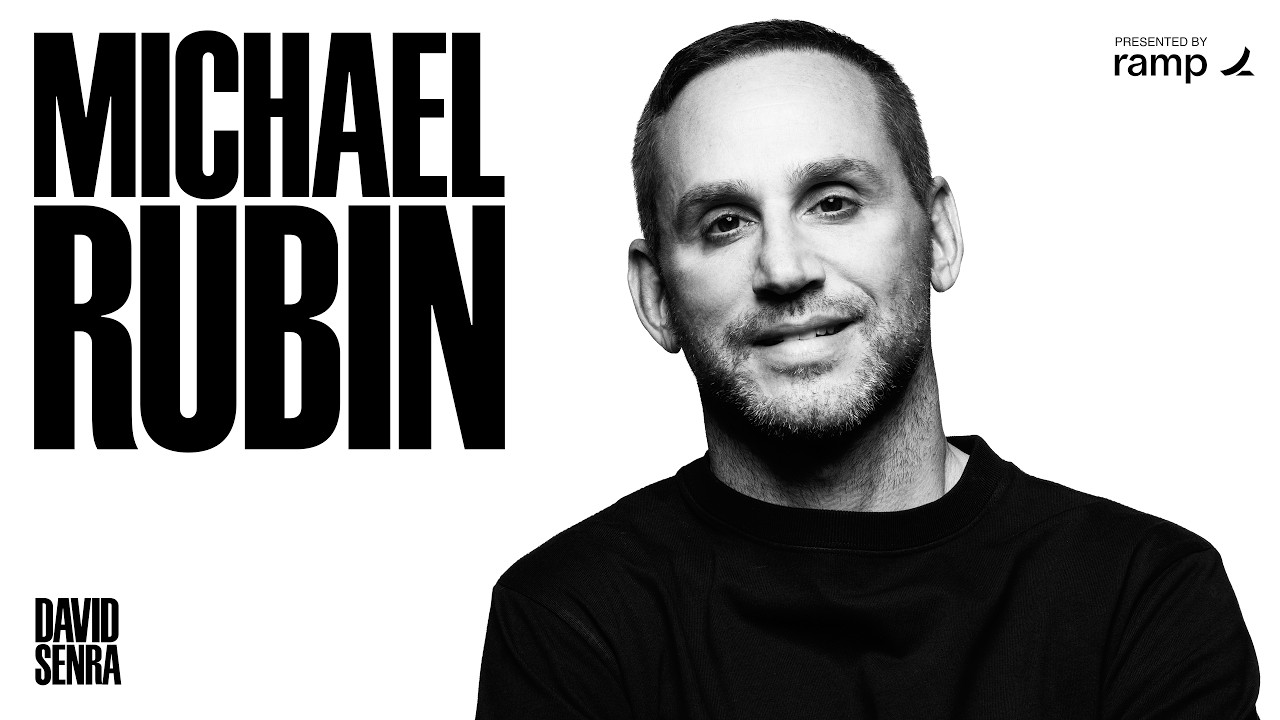
What It Means to Be a “Real” Entrepreneur | Michael Rubin, Fanatics
Nov 15, 2026 · 1:08:20
Michael Rubin, founder and CEO of Fanatics, argues real entrepreneurs are born with it, love it, and never stop working. He recounts nearly going bankrupt at 16 when it didn't snow, then buying a bankrupt store's inventory for $13,000 and doing $150 million a year by 21. He was hours from being margined out of GSI Commerce in 2009, two years before eBay bought it for $2.4 billion. Fanatics is now a $14 billion platform with 140 million fans; he won collectibles rights by guaranteeing leagues the high watermark, with debut patches and George Condo–painted cards making them 'art for sports fans.' He says there's a '0.0 chance' he'd invest in prediction markets, and credits Silver Lake's Greg Mondre for saving him from a multibillion-dollar mistake.

How to Win Deals & Grow a $250B Business | Nikesh Arora, Palo Alto Networks
Nov 8, 2026 · 1:02:30
David Senra interviews Nikesh Arora, CEO of Palo Alto Networks, who argues enterprise companies must sell many products to the same customer because customer acquisition is the largest expense. He explains why he only acquires the number one or two company in a category, negotiates directly with founders, and won't sign a term sheet until the founder agrees to a joint product roadmap within 30 days. He recalls nearly investing in Oculus with Egon Durban before Facebook bought it, and Durban pushing him through a 29-round auction for the London Spirit cricket team. Arora also recounts selling Google ads with no control over price or volume as Google grew from $2 billion to $62 billion in revenue, his Hindu fatalism, hands-off parenting, and why AI makes cybersecurity more valuable.

He Helped Build a16z & Is Now Rebuilding the Government | Scott Kupor
Nov 4, 2026 · 58:16
Scott Kupor, first employee of Andreessen Horowitz and now director of the U.S. Office of Personnel Management, argues the principles that built a16z can fix a federal government whose talent and risk structures are "completely screwed up." He recounts quitting HP in the 2008 crisis to join Marc Andreessen and Ben Horowitz, adapting Michael Ovitz's CAA "phalanx" model, and the Skype buyout that returned half the first fund in 18 months. He cites 99.7% of the 2 million-person civilian workforce rating three or above, ~90% of senior executives getting top ratings, and tenure-gated promotions. He details Tech Force's 1,000 coding-tested hires and the Boyers, Pennsylvania mine where 400 million paper retirement records are being digitized, cutting processing time by more than half.
Powered by PodHood